Stupid and Smart, Funny Quotes Svg
A Quick First Impression
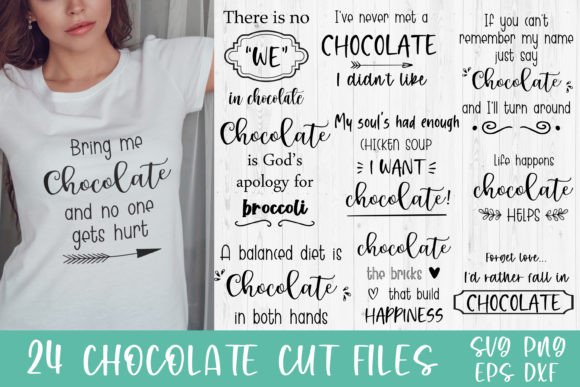
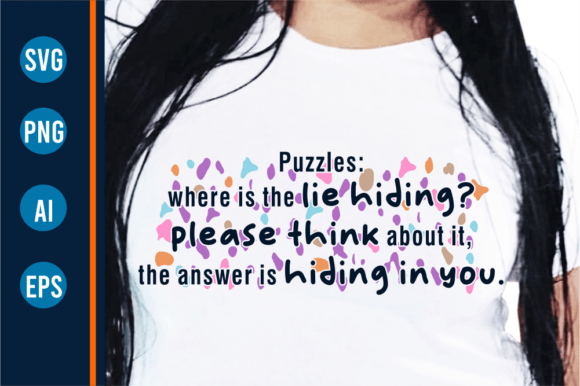
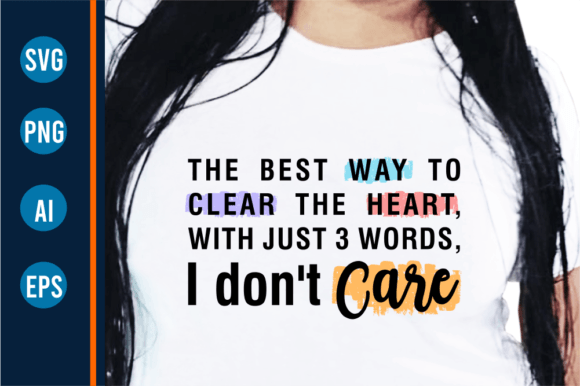
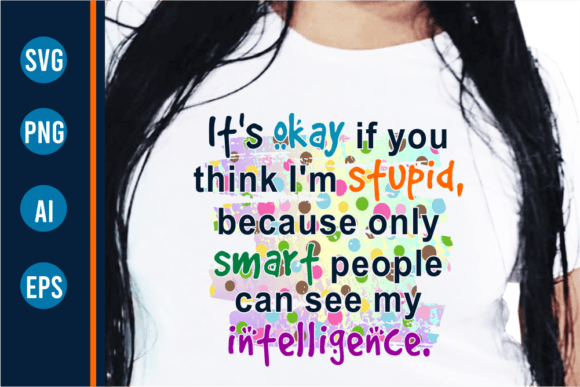
The first thing that strikes me about Stupid and Smart, Funny Quotes Svg is its playful and cheeky vibe. The design feels like it was created for someone who appreciates humor with a twist—something that can bring a smile to the face of anyone who sees it. The layout is clean, with each quote neatly spaced and styled in a way that makes them easy to read. The use of text as the main visual element gives it a modern, digital feel that fits well within the Graphics category.
I immediately think of how this could work on a custom tote bag or a sweatshirt. The quotes are bold and eye-catching, making them ideal for products where the message needs to stand out. However, I also notice that the font style leans towards something more stylized than traditional embroidery fonts. This could be a good or bad thing depending on the project’s aesthetic goals.
Real-Life Scenario: Custom Tote Bag Design
Let’s imagine I’m preparing a custom embroidered tote bag for a small shop product. The client wants something that’s both fun and approachable. Stupid and Smart, Funny Quotes Svg fits perfectly here. The design is simple enough to stitch cleanly but still has enough personality to make the bag memorable. I would place the quote near the top of the tote, centered so it doesn’t get lost in the fabric.
However, I’d want to test it on scrap fabric first. The stitch density might be high in certain areas, especially around the corners and edges of the text. If the design includes any intricate lettering, those parts could be tricky to stitch without issues. Also, since the background is transparent, I’ll need to consider how it will look against the final fabric color. A dark fabric might make the text too light, while a light fabric could cause it to blend in too much.
Performance in Real Embroidery Situations
Stupid and Smart, Funny Quotes Svg performs well in most embroidery scenarios, especially when used on flat, stable surfaces like t-shirts, tote bags, and caps. The simplicity of the design means it’s less likely to cause issues with hoop size or stitch density. It’s also a great option for custom apparel because the text-based nature of the design allows for easy customization and placement.
That said, there are some situations where this design might not shine. For instance, using it on thin or stretchy fabric could lead to distortion or uneven stitching. Similarly, if the design is placed on a curved surface like a cap or a hat, the text might appear stretched or misaligned. In such cases, I would recommend testing the design on a mockup or using a printable mockup to visualize how it will look in real life.
Design Considerations for Different Projects
- Sweatshirt Embroidery: Perfect for a casual, humorous touch. The text is large enough to be visible from a distance.
- Baby Embroidery: Could work well for a baby gift or nursery decor, but the text may be too bold for a delicate baby item.
- Holiday Embroidery: Great for seasonal gifts like holiday aprons or tea towels. The humor adds a unique twist.
- Commercial Embroidery: Suitable for small business merchandise, especially if the brand values a lighthearted tone.
- Etsy Seller: Ideal for creating personalized gifts or digital embroidery files that appeal to a niche audience.
Where to Use Carefully
While Stupid and Smart, Funny Quotes Svg is versatile, there are a few areas where it should be used with caution. Small hoop sizes may not accommodate the full design, especially if the text is spread across multiple lines. Textured fabrics can also cause issues with thread color contrast, making the design less readable. Dark fabrics might require a lighter thread color to ensure visibility, which could affect the overall appearance.
Additionally, the design might not work well on layered garments or items that require frequent washing. The stitch density could cause the design to wear down faster, especially in areas with dense stitching. It’s also important to consider how the design looks on curved surfaces. While it works well on flat items, it may not translate as effectively to a cap or a hat.
Practical Designer Notes
As an experienced designer, I always recommend testing a design on scrap fabric before committing to a finished product. This helps identify any potential issues with stitch density, hoop size, or thread color contrast. I also suggest reviewing the design in black and white to see how it holds up under different lighting conditions.
For small shop products or craft business items, it’s crucial to check whether the design is licensed for commercial use. If you plan to sell the finished product or digital files, ensure you have the proper rights to do so. Using unlicensed designs can lead to legal complications, especially when selling online.
Finally, don’t forget to use the right stabilizer to support the fabric during stitching. This helps prevent puckering and ensures a clean, professional finish. Whether you’re creating a personalized gift or a commercial embroidery project, attention to detail can make all the difference in the final result.